Showing posts with label sanskrit. Show all posts

Sep 29, 2011

learnsanskrit.org

learnsanskrit.org is a new website dedicated to spreading the knowledge of Sanskrit over the internet. It has a fresh look and a great layout. The main feature is the grammar that is conceived in tutorial style with exercises at the end of each lesson.

In their own words:
learnsanskrit.org aims to explore how the unique qualities of the Internet can facilitate the task of learning and teaching Sanskrit. To some extent this site is iconoclastic, for although it owes much to both traditional Sanskrit grammar and classical Western philology, it does away with both whenever they make the task of learning Sanskrit needlessly complicated.

Jan 9, 2010

The oldest Sanskrit grammar writen by an european

I just learned about it from "The Sanskrit Grammar and Manuscripts of Father Heinrich Roth S.J. 1620-1668: Facsimile Edition of Biblioteca Nazionale Rome Mss or 171 and 172". This grammar was never printed, the first page of the manuscript can be seen bellow.

The above mentioned book also contains two manuscripts, one of Sadānada's Vedāntasāra and one of Veṇīdatta's Pañcatattvaprakāśa along with Father Roth's commentary.

Oct 23, 2009

Spoken Sanskrit resources

This post, at Elisa's suggestion, is about resources on spoken Sanskrit. Since in order to speak in Sanskrit you need at least an dialog partner if not a whole environment (friends, family) speaking this language, a surrogate would be just to listen (and trying to understand) other speaking. For this purpose there are several resources around the net.

On now famous sanskritdocuments.org website, one can find radio news in Sanskrit on an about two day basis. Another resource which I enjoyed very much is the 1983 movie Adi Shankaracharya by G.V. Iyer now available on google video. See bellow.

On Sri Aurobindo's ashram website are also available some audio and video files with spoken Sanskrit.


Ādi Śaṅkarācārya

Oct 16, 2009

Great Idea

Like so many other great ideas that seem obvious after someone states them, this is not an exception. In a discussion with Elisa Freschi about easy sanskrit texts for begginers, she suggested that it is easier to read texts that one is familiar with. This is how I come to remember that once I stumbled upon a Sanskrit translation of the Bible. For the westerner who, in most cases, was raised as Christian, this is indeed an easy and sometimes fun text to read. Here are the links:
Sanskrit Bible Vol 1 (5 books of Moses and the book of Joshua)
Sanskrit Bible Vol 2 (historical books from judges to Esther)
Sanskrit Bible Vol 3 (poetical and devotional books from Job to Canticles)
Sanskrit Bible Vol 4 (prophetical books)
New Testament in Sanskrit
Enjoy!

Oct 6, 2009

The wonder of Sanskrit

sāṃkhyam asmābhir jñāyate: alepako nirguṇaḥ kṣetrajñaḥ puruṣaḥ

can be translated in two ways:

1. I am conversant with Sankhya: The soul is stainless, without Qualities, and the Knower of the field of experiences.

2. I am conversant with Sankhya: This person uses no cosmetics, has no merits, he is a plowman.

The translation is taken from "The Quarter of Causeries" Translated by Csaba Dezső & Somadeva Vasudeva.

Sep 12, 2009

Nice word

viṭajña - Pimpologist*.

I met this word in "The Quartet of Causeries" of which I am delighted. I definitely recommend it.

Enjoy!

Aug 30, 2009

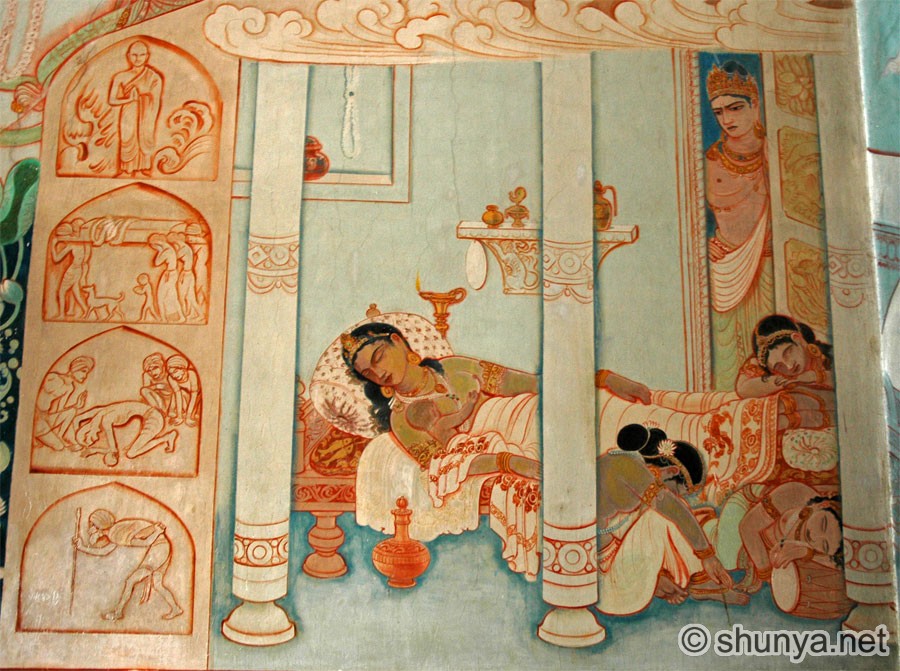
Buddha kathā - part 3

ekadā rātrau siddhārtho bhāryāṃ putraṃ prāsādañcātyajat | so aśvam ārohad vanañ cāgacchat | vane so'śvamapyajat | sa keśānakṛntannadyāñcākṣtipat | sa sarvāṇi bhūṣaṇānyapyanale'kṣipat | so'vadat - adhunāhammunirbhaveyamiti | tataḥ sa satyasya darśanāya grāmādgrāmaṃ vanādvanaṃ deśāddeśamabhrāmyat |
In a night, Siddhārtha abandoned the wife son and palace. He mounted the horse and left to the forest. In the forest he also abandoned the horse. He cut the hair and threw it in the river. He also threw in the fire all ornaments. He said: now I will become an hermit. Therefore for the sake of the vision of truth he wandered from village to village, from forest to forest from region to region.
sa yaṃ yaṃ munimapaśyattaṃ taṃ so'pṛcchat | sa yadyatpustakamalabhata, tattat pustakaṃ so'paṭhat | tathāpi sa satyaṃ nābodhat | ekadā so'cintayat - yadyahamammaṃ na bhakṣayeyam, jalamapi na pibeyam, tarhyahaṃ satyaṃ paśeyam iti | tataḥ so'annaṃ jalañcātyajat | sa vṛkṣasyādho'sīdat |
He questioned each and every hermit he saw. He read each and every book he obtained. However he didn't learned the truth. Once he was thinking: If I'll not eat food nor drink water then I may see the truth. So he renounced to the food and water. He sat below a tree.

Aug 29, 2009

Buddha kathā - part 2

yadā māyādevī sukhārthaṃ vane'bhrāmyat tadā vana(y) eva tasyāḥ putro'jāyata | sa siddhārthaḥ |
When Māyādevī was wandering for pleasure in the forest, then, right in the forest her son was born. He is Siddhārtha.
yadā bālaṃ siddhārtham munyo'paśyaṃs tadā te'bhāṣanta - he śuddhodana, eṣa tava putro yadi nṛpo bhavettarhi sa sarvasya lokasya nṛpo bhavet | kintu yadi sa loke duḥkhaṃ paśyettarhi sa munireva bhavet | tadā sa sarvasya lokasya gururbhavediti |
When hermits saw the boy Siddhārtha they spoke: Oh Śuddhodana, if this son of you will become a king then he will become the king of entire world. However if he will see the suffering in the world then he will became an hermit. Then he will became the guru of entire world.
yadā śuddhodano nṛipo munīnāṃ tadvacanam abodhat tadā so'cintayat - mama putro nṛpa eva bhavatu | sa sarvasya lokasya nṛpo bhavatu | sa mā vanaṅ gacchatu | mā ca sa munir bhavatv iti |
When king Śuddhodana learne this word of the hermits he thought: let my son to be king. Let he be hte king of entire world. Let him not go to forest. An he should not become hermit.

Buddha kathā - part 1

purā bhāratadeśe kapilavastunagare śuddhodano nāma nṛpo'bhavat |
Long ago, in India in Kapilavastu town lived a king named Śuddhodana.
tasminnagare sarve janāḥ sukhenāvasan |
In this town all people lived with happiness.
janānāṃ sukhena nṛpo'pi sukhamalabhata |
By people's happiness even the king was happy.
sa nṛpaḥ sarvāṇi śāstrāṇyabodhat, sarvadā ca satyamevābhāṣata |
This king kew all sacred writings and always talked the truth only.
tasya bhāryā māyādevī |
His wife was Māyādevī.
tasyāḥ sarve guṇā avartanta |
She had all the qualities.

Aug 1, 2009

Abhinava on knowledge and ignorance

iha jñānaṃ mokṣakāraṇaṃ bandhanimittasya ajñānasya virodhakatvāt dvividhaṃ ca ajñānaṃ buddhigataṃ pauruṣaṃ ca tatra buddhigatam aniścayasvabhāvaṃ viparītaniścayātmakaṃ ca /

Here the knowledge is the cause of liberation because is being the opponent of ignorance which is the reason of bondage and the ignorance is twofold: in the intellect and humane; there, the intellectual is of nature of non-knowledge (a-niścaya) and wrong/reversed knowledge(viparīta-niścaya).

pauruṣaṃ tu vikalpasvabhāvaṃ saṃkucitaprathātmakaṃ tad eva ca mūlakāraṇaṃ saṃsārasya iti vakṣyāmo malanirṇaye /

But the humane [ignorance] is of nature of imagination and contracted expansion; "and this one is the root cause of transmigration (saṃsāra)" we will say in the discussion on impurity.

(Abhinavagupta - Tantra Sāra)

Jan 13, 2009

Tokyo manuscript nr. 516 - part 3

The last part is now done. I must thank to PDSz for take the time to standardize the input and thus greatly helping me.

Here is the input:

Page 3
line 1:
puṣṭikarīsarvvabhītyaprahāriṇī sarvvarakṣāṃ sarvvajayavināvināśinī | sarvvamaṃgalamāṃgalyāśivā
line 2:
sarvvāsarvvārthasādhanīṃ mohiṃ parasamtrāśāṃbhedinīkṣābhiṇītathā || paramantratantrayantraviṣa
line 3:
cūrṇṇasarvvaprayogādīnām anyeṣāṃ yat kṛtaṃ kālitaṃ tanmastakanipatinīṃ sarvvahiṃsāmāka-
line 4:
rṣiṇī | ahitāṇāṃ canāśinīduṣṭātmanāṃ canāśinīṃ yat karoti yat kiñcit kariṣyati vi-
line 5:
rūpakaṃ kārayati vā anumodayati vā karmmaṇām anasāvācāyedevāsurarākṣasāsti
line 6:
yakṣapretasarvvahiṃsakāvirūpakaṃ kurvvaṃti mamamantratantrayantracūrṇṇasarvvaprayogādī

Page 4
line 1:
nāmānmahastena vā yaḥ karoti kariṣyati vā tān sarvvān | dheṣāṃnivartti
line 2:
-tvā yataṃtimastake || || iti śrī mahābhyairavatantre viparītapratyaṃgirā samaptaḥ || ||


Part 1
Part 2

Jan 11, 2009

Tokyo manuscript nr. 516 - part 2

The second page is over now. The first page was checked and emended by I.S., PDSz and SDV. You can find bellow the e-text of both pages. The last two lines of the first and the second page still needs to be checked by someone more experienced. I've used red bold color for the parts I am not sure about.

Page 1:
line 1:
[śrīgaṇeśāya namaḥ || atha viparītapratyaṃgirā || oṃ asya +viparīta+pratyaṃgirāmantrasya bhairava ṛṣir anuṣṭup cchandaḥ pratyaṃgirā deva (for devatā)]
line 2:
[aṣṭottaraśatamantrasyāsya prakīrttiteti || sarvvaiḥ kṛṣṇopacāraiś ca dhyāyet pratyaṃgirāṃ śubhāṃ | ṭaṃkaṃ kapālaṃ ḍamaruṃ triśū-]
line 3:
[-laṃ saṃbibhratī candrakarīva* taṃsāṃ | piṃgorddhvakeśī sitabhīmadaṃṣṭrā bhūyād vibhūtyai mama bhadrakālī || 1 || evaṃ dhyātvā jape-]
line 4:
[-n mantram ekaviṃśativāsaraṃ | śatrūnāṃ nāśanaṃ hy etat prakāśo yaṃ suniścitaṃ || 2 || aṣṭamyām arddharātrau tu saratkāle]
line 5:
[mahāniśi || ārādhitā cen mahākālī tatkṣaṇāt siddhidā bhavet || sarvvopacārapannāye vastraratnaphalādibhiḥ | puṣpai-]
line 6:
[s tu kṛṣṇavarṇais tu sādhayet kālikāṃ parāṃ || 4 || varṣādurddhamajaṃmeṣaṃ mṛgaṃ vāthayathāvidhi | dadyāt purvvamaheśāni tataś ca ja-]
line 7:
[-pam ācaret || 5 || ekāhāt siddhidākālī satyaṃ satyaṃ na saṃśayaḥ | mūlamantreṇa rātrau ca homaṃ kuryyāt samāhitaḥ || 6 || ma-]
line 8:
[-līcalājāhomaiś ca sārṣapairmmāraṇaṃ bhavet | mahāvarapade caiva na bhayaṃ vidyate kvacit || 7 || pretapiṃḍaṃ samādāya go-]

* Em: candrakarīva taṃsāṃ > candrakalāvataṃsā
"with the crescent moon as an ornament". SDV


Page 2:
line 1:
[-lakaṃ kārayettamaḥ | kitaṃ kṛtvā śatrūmāyāṃ ca putalīṃ || 8 || jivaṃ tatranidhāyaivaṃ citāvahnoXnetataḥ | tatrāyuta]
line 2:
[japaṃ kṛtvātrirātrānmāraṇaṃ ripoḥ || 9 || mahājvālābhavet asya taXXtāṃmraśalākayā | guḍadvārepravesyāsya saptāhānmā-]
line 3:
[-raṇaṃ ripoḥ || 10 || pratyaṃgirāmahāproktāpaṭhitāpāṭhitānaraiḥ | likhitvā cakare kaṃṭhevāhośirasi dhārayet || 11 || mu-]
line 4:
[-cyate sarvvapāpebhyo nāpamṛtyuṃ kadācana | grahā jhakṣāstathā siddhā sayajoragarājasāḥ || 12 || na tasya pīḍāṃ kurvvaṃti di-]
line 5:
[-vibhummantarikagāḥ | catuṣṭātheṣu geheṣu vaneṣu padaneṣu ca || 13 || śmaśānedurgamedyoresaṃgrāmeśatrusaṃgame || ||]
line 6:
[oṃ kṣrauṃ oṃ oṃ oṃ kuṃ kuṃ kuṃ māṃ sāṃ rāṃ khāṃ vāṃ lāṃ kṣāṃ oṃ hrīṃ hrīṃ hrīṃ oṃ oṃ hrīṃ hrīṃ hrīṃ vāṃ ṣāṃ māṃ rakṣāṃ kuru oṃ hrīṃ hrīṃ oṃ saḥ hūṃ oṃ kṣrauṃ vāṃ]
line 7:
[lāṃ ṣāṃ māṃ sāṃ oṃ kuṃ pluṃ rakṣāṃ kuru oṃ namo viparītapratyaṃgirāyai vidyā rajñī trailokyavasaṃkarī tuṣṭi-]


Part 1
Part 3

Jan 9, 2009

Tokyo manuscript nr. 516 - part 1

n Matsunami catalog it is called "Collection of fragments" and the part I is ending with:
śrī-mahā-bhairava-tantre viparīta-pratyaṃgirā samāptaḥ
I have transcribed several lines from the first page and encountered difficulties in identifying few characters. Now I am asking for help from the more experienced readers; I have noted in my transcription with X the characters I am not sure about. Can anyone shed a bit of light on this issue?


[here is the transcript]
line 1:
śrī gaṇeśāya namaḥ || atha viparītapratyaṃgirā || oṃ asyapratyaṃgirāmantrasya bhairavaṛṣir anuṣṭupcchandaḥ pratyaṃgirādeva
line 2:
aXttaraśatamantrasyāsyaprakīrttiteti || savvaiḥ kṛṣṇopacāraiśca dhyāyet pratyaṃgirāṃśubhāṃ | ṭaṃkaṃ kapālaṃ ḍamaruṃ triśu

line 3:
laṃ saṃvibhratīcandrakarīvataṃsāṃ | piṃśorddhakeṇositabhīmadaṃXbhūyādvibhūtyaimambhadrakālī || 1 || edamdhyātvājape

line 4:
nmantramekaviṃśativāsaraṃ | śatrūnāśanaṃXtataprakāśoyaṃsuniśyitaṃ || 2 || aṣṭamyāmarddharātrauXsaratkāle
line 5:
mahāniśi || ārādhitācenmahākālītatkṣaṇātsiddhidābhavet || sarvvopacārapannāyedamtraratnaphalādibhiḥ | puXX


Part 2
Part 3


Link to the entire manuscript

Nov 28, 2008

Vasubandhu - viṃśatika kārikā exercises


vijñaptimātramevedamasdadarthāvabhāsanāt|
yadvat taimirikasyāsatkeśoṇḍrakādidarśanaṁ||1||


vijñaptimātram=perception-only
eva
idam
=this
asad-artha-avabhāsanāt
=because of the apparition of inexistent object
yadvat=as
taimirikasya
=of the one with eye problems
asat-keśoṇḍraka-ādi-darśanaṁ
=the seeing of inexistent hair etc

This is "perception-only" because of the apparition of nonexistent objects,
as [in the case] of the one with eye problems the seeing of nonexistent hair etc.


na deśakālaniyamaḥ samtānāniyamo na ca |
na ca kṛtyakriyā yuktā vijñaptiryadi nārthataḥ ||2||


na = nu
deśakālaniyamaḥ = restriction of place and time
saṃtānāniyamo = non restriction of moment-series
ca = and
kṛtyakriyā = function accomplishment
yuktā = logic
vijñaptir = N. sg. the perception
nārthataḥ
= Ab. sg. because of the lack of object

No place and time restriction and no moment-series non restriction and no function accomplishment is logical if the perception is not because of [an] object.

deśādiniyamaḥ siddhaḥ svapnavat pretavatpunaḥ|
saṁtānāniyamaḥ sarvaiḥ pūyanadyādidarśane||3||

deśādiniyamaḥ = N. sg. the restriction of place etc.
siddhaḥ = demonstrated
svapnavat = like in a dream
pretavat = like pretas
punaḥ = again, once more
saṁtānāniyamaḥ = non restriction of moment-series
sarvaiḥ = by all
pūyanadyādidarśane = in the seeing of pus river etc.

The restriction of place etc. is demonstrated, like in a dream. Once more, non restriction in moment-series [is demonstrated] like pretas in the seeing of pus river by all [of them].

svapnopaghātavatkṛtyakriyā narakavatpunaḥ|
sarvaṁ narakapālādidarśane taiś ca bādhane||4||


svapna-upaghātavat = like dream pollution
kṛtyakriyā
= function accomplishment
narakavat
= like the hell
punaḥ
= once more
sarvaṁ
= all
naraka-pāla-ādi-darśane
= in the seeing of guardian of hell etc
taiś
= by that
ca
= and
bādhane
= in the torture

Like the dream pollution, the function accomplishment [is demonstrated]. Like the hell once more, all in torture by the seeing of hell-guardians etc..

Nov 22, 2008

Sandhi grids


From time to time I need these sandhi grids so I decided to post them here. These are from Coulson's "Teach yourself Sanskrit".

Nov 15, 2008

Viṃśatikā Karikā Vṛtti

Today I've finished the input of Vasubandhu's Viṃśatikā Karikā Vṛtti. No proof read yet. This will come in the following days. Click on the link above to get to it.
gandharvanagareṇāsattvān nagarakriyā na kriyate na ca tad anyair na kriyate |

gandharvanagareṇa=(I. sg.)by gandharva city;
a-sat-tvāt=(Ab. sg.) because of inexistence;
nagarakriyā=(N. sg.) city function;
na=not;
kriyate=(3. sg. p.)is performed;
tad=(N. sg.)that;
anyair=(I. pl.)by others;

By the gandharva city, because of inexistence, the city function is not performed and not that by others not performed.

Nov 9, 2008

Āryapratītyasamutpādo nāma mahāyānasūtram (notes)

I've receive by other means these notes from Peter:

- bhagavān is usually translated 'the Lord' rather than 'the Divine'.
- more likely: "amidst the gods of the 'thirty-three' ", trayastriṃśa being the name of a heavenly abode in Buddhist cosmography.
- horse trainers: I think that this is rather the name of an illustrious śrāvaka (i.e. followers of the Lesser Vehicle from the Mahāyāna viewpoint), Jitāśva, 'he who had conquered/surpassed horses' (in energy, or whatever, won a race? [joke]); so: 'with śrāvakas such as/headed by (ādi) Jitāśva.
- bodhisattvair mahāsattvaiḥ - bodhisattvas of great valour, or smth.
- Vajrahastā -> Vajrahasta, i.e. Vajrapāṇi who is male, so he can't have his name ending in -ā.
- adorned with countless virtues (guṇa) [which were like] jewels.

Nov 4, 2008

Āryapratītyasamutpādo nāma mahāyānasūtram (III)

yaśca avalokiteśvara kulaputraḥ kuladuhitā vā śraddhāsamanvitaḥ apratiṣṭhite pṛthivīpradeśe āmalakamātraṃ caityaṃ sūcīmātraṃ bodhivṛkṣaṃ bakulapuṣpamātraṃ chatraṃ kṛtvā pratītyasamutpādadharmadhātugāthāṃ paṭhati, sa brāhmaṃ puṇyaṃ prasavati |

And who, oh Avalokiteśvara, son or daughter of [good] family endowed with faith, in unlimited places of earth doing Stupa the size of the fruit of Myrobalan, the Bodhi tree the size of a needle tip, umbrela the size of Bakula flower, repeats the verses on the essence of dharma, the dependent origination, he produce Brahmic merit.

itaḥ pracyāvya maraṇakālaṃ kṛtvā brahmaloke utpadyate |

Having exhausted his lifespan, he arises in the world of Brahma.

tataḥ pracyāvya kālaṃ kṛtvā śuddhāvāsakāyikānāṃ devānāṃ sabhāgatāyāmutpadyate ||

Having exhausted his time there, he arises in the companionship of the gods in the pure abode*.

evamavocadbhagavān |

Thus spoke The Divine.

sarve ca te śrāvakāḥ, te ca bodhisattvā mahāsattvāḥ, sarvāvatī ca sā parṣat, sadevamanuṣyāsuragandharvalokaśca bhagavato bhāṣitamabhyanandan ||

And all those śrāvaka and those great beings bodhisattvas, and entire this gathering and the world of gods, men, demons and gandharvas welcomed the speech of The Divine.

abhyanandan = impf 3. pl abhi-nand

* As Edgerton points, the gods in the pure abode announce the birth of a bodhisattva.

I have to thank to Peter for the help he offered clarifying some terms for me. Thanks buddy!

Nov 1, 2008

Āryapratītyasamutpādo nāma mahāyānasūtram (II)

tadā bhagavāṃsteṣāṃ pratītyasamutpādagāthāmavocat -
ye dharmā hetuprabhavā hetuṃ teṣāṃ tathāgato hyavadat |

Then, The Divine, explained them the dependent origination [as follow]:
The Dharmas which [are] produced by a cause, of their cause Tathagata spoke,

teṣāṃ ca yo nirodha evaṃ vādī mahāśramaṇaḥ ||

and which is their cessation, thus is the doctrine of the great ascetic.

yadidamavalokiteśvara ayaṃ pratītyasamutpādastathāgatānāṃ dharmakāyaḥ |

That is to say, oh Avalokiteśvara, this dependent origination is dharmakāya of Tathāgatas.

yaḥ pratītyasamutpādaṃ paśyati, sa tathāgataṃ paśyati |

Who sees dependent origination he sees the Tathāgata.